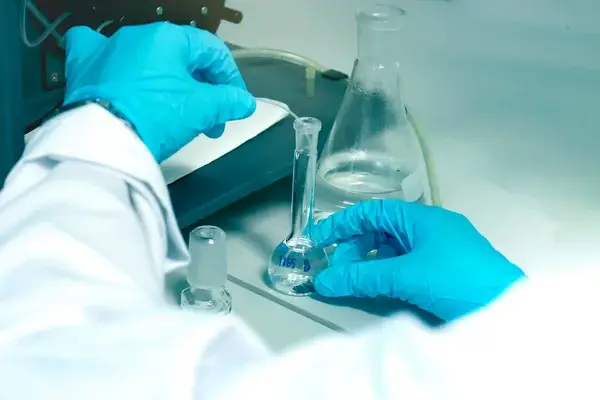
In the highly competitive Midtown hospitality market, guest satisfaction, operational seamlessness, and brand reputation are everything. Hoteliers invest heavily in creating flawless guest experiences, focusing on visible and immediate markers of luxury: pristine linens, high-end interior design, advanced guest-room climate controls, and world-class dining spaces.
However, one of the most operationally volatile and logistically complex components of a hospitality asset is entirely invisible to the guest until a crisis occurs: the building’s potable water infrastructure.
Unlike a standard commercial office space or a uniform residential complex, a full-service hotel is a complex, multi-segmented water ecosystem. From thousands of independent guest room bathrooms and commercial kitchens to luxury spas, laundry facilities, and large-scale cooling towers, a hotel’s water demands are diverse, intense, and constantly shifting. To eliminate critical public health hazards, fulfill strict municipal mandates, and protect ownership from extreme liability, Midtown hotels require a comprehensive water quality oversight strategy that encompasses the full property.
The Operational Risk of Segmented or Superficial Oversight
A common operational pitfall in hospitality management is treating water quality testing as a localized, isolated task. A facility team might periodically sample water from a main basement valve, run a baseline test on a restaurant kitchen sink, and assume that the resulting clean bill of health extends universally across all twenty or thirty stories of the property.
In a high-density urban hotel layout, this localized assumption is an extreme risk. Water quality degrades, chemical disinfectant residuals dissipate, and biological pathogens amplify based on the specific physical mechanics and usage profiles of individual building zones.
Relying on sparse or superficial sampling creates massive operational blind spots. If a hotel experiences low seasonal occupancy, hundreds of guest room taps can sit undisturbed for days, allowing municipal chlorine shields to break down and inviting localized bacterial growth. Without a property-wide diagnostic strategy, these localized failures remain entirely undetected until a guest experiences an illness or notices a significant aesthetic problem. To manage these risks proactively, operators can examine specialized analytical frameworks by exploring commercial testing services to see how comprehensive industrial protocols differ from baseline municipal monitoring.
Mapping the Risk Zones of a Hospitality Infrastructure
An effective property-wide water safety program demands an understanding of plumbing physics and biological vectors. A premier Midtown hotel contains several distinct mechanical and physical micro-environments, each carrying a unique risk profile that requires independent monitoring.
1. Guest Rooms and Suites: The Vacancy and Stagnation Factor
The primary operational challenge in hospitality is fluctuating occupancy. When guest room lines experience periods of low flow or near-zero use, water stops moving inside the lateral piping branches.
During prolonged stagnation, two primary hazards develop:
- Heavy Metal Leaching: Stagnant water aggressively interacts with legacy brass fixtures, copper piping, and lead-soldered joints, slowly pulling toxic elements out of the infrastructure and into standing tap water.
- Biofilm Anchoring: The protective chlorine residuals provided by municipal treatments break down, allowing microscopic layers of slime—known as biofilms—to form and expand along the interior pipe surfaces.
2. Spas, Gyms, and Pools: The Aerosol Proliferation Vector
Many upscale properties feature extensive wellness amenities, including indoor pools, whirlpool spas, luxury locker rooms, and steam saunas. From an environmental health perspective, these zones represent high-risk profiles for biological pathogens, most notably Legionella bacteria.
Legionella multiplies rapidly in warm, stagnant water environments ($20^\circ\text{C}$ to $50^\circ\text{C}$) that are protected by biofilm layers. Because this pathogen infects the human body through the inhalation of microscopic, aerosolized water droplets rather than ingestion, any amenity that actively creates a mist or spray—such as high-pressure showerheads, hot tub jets, or decorative lobby fountains—acts as a direct public health vector. Proactive biological screening across these specific endpoints is a fundamental requirement of modern hospitality risk management.
3. Food and Beverage Operations: Compliance and Consumer Safety
From main banquet kitchens and rooftop bars to localized guest ice machines on every floor, food service requires impeccable water quality. Ice machines are highly vulnerable to localized sediment accumulation and mold or bacterial growth if the supplying lines lose pressure or experience thermal gain. Testing in these sectors must focus heavily on a comprehensive suite of chemical and aesthetic parameters to protect consumer health and shield the property from regulatory violations.
Understanding how these diverse chemical and structural parameters shift across a single high-rise asset is an essential component of professional facility maintenance. Hospitality coordinators can find an in-depth breakdown of these physical vectors by reviewing common water quality risks to better inform their preventative engineering routines.
Navigating the Strictest Regulatory Demands
Operating a major high-rise building in New York City requires strict adherence to localized public health codes. Properties utilizing water storage assets—such as the iconic rooftop wooden water tanks, steel gravity vessels, or basement pressure tanks—must maintain constant compliance with local administrative regulations.
[City Water Main] ➔ [Basement Intake] ➔ [Booster Pumps] ➔ [Rooftop / Gravity Storage Tanks]
                                                                        │
       ├────────────────────────────────────────────────────────────────┴────────────────────────────────────────────────────────────────┐
       ▼                                                                                                                                 ▼
[Annual Mandated Physical Tank Inspections]                                                                                     [Property-Wide Node Testing]
(Bacteriological Testing: E. coli / Coliform)                                                                                   (Legionella, Heavy Metals, LSI, pH)
Per current city health department mandates, all drinking water storage tanks must undergo a physical inspection and comprehensive bacteriological water quality analysis at least once per calendar year. Qualified inspectors—such as licensed master plumbers or professional engineers—must process these samples through certified environmental laboratories to check for total coliform and E. coli, submitting verified reports by strict winter deadlines.
Failing to complete these annual mandated inspections or neglecting to document an ironclad history of testing parameters results in heavy financial penalties, potential stop-work or operational halt orders, and intense legal liability if a guest health complication arises. For properties operating within this dense urban corridor, securing localized data through professional assessment is crucial. Hotel operations teams looking to implement these safeguards can connect with localized experts by exploring dedicated verification services tailored specifically for Midtown buildings to ensure their compliance plans align with local structural realities.
The Strategic Strategy: Point-of-Entry to Point-of-Use
To establish a truly defensive, legally sound property-wide program, engineering departments must abandon random or superficial sampling in favor of a structured tracking plan.
- Establish Baseline POE Data: Sample water directly at the building’s main incoming utility vault before it reaches any internal booster pumps, secondary treatment systems, or storage assets. This helps engineers isolate whether a contaminant is an external municipal issue or an internal plumbing failure.
- Unmasked Core Testing: Sample water directly from primary vertical risers and storage tank discharge valves before it passes through any localized room filtration devices or appliance carbon filters, ensuring a clear look at the building’s core mechanical health.
- Time-Synchronized Protocols: Collect “first-draw” samples from long-vacant guest units or remote utility segments early in the morning to capture the true impact of seasonal stagnation on heavy metal leaching, while running “peak-flow” panels during hours of maximum guest demand to observe the system under intense hydraulic stress.
Conclusion: Securing Brand Loyalty with Precision Science
In the modern hospitality landscape, a hotel’s reputation is its most valuable currency. A single environmental incident, an outbreak of travel-associated Legionnaires’ disease, or a localized water safety scare can decimate booking rates, trigger multi-million-dollar legal battles, and inflict permanent damage on a global brand.
By implementing an advanced water quality oversight program that respects the complex, full-property layout of a modern hotel asset, hospitality leaders can protect their guests, preserve their capital infrastructure, and maintain total compliance with shifting urban safety mandates. True hospitality excellence leaves nothing to chance, and premium service begins with the clarity, safety, and science of the water flowing through your asset.