In the heart of New York City, Midtown Manhattan stands as a global epicenter of commerce, culture, and architecture. From the Art Deco majesty of the Chrysler Building to the modern glass towers lining Hudson Yards, these structures house thousands of businesses and hundreds of thousands of employees daily. However, beneath the gleaming facades lies a complex and aging infrastructure that presents unique challenges for facility managers and building owners specifically regarding water quality.
Ensuring the safety of potable water is no longer just a matter of compliance; it is a critical component of risk management and corporate responsibility. Professional water testing in Midtown Manhattan commercial buildings is the frontline defense against biological contaminants and chemical imbalances that can threaten public health and institutional reputation.
The Unique Infrastructure of Midtown Manhattan
Midtown’s skyline is a mix of “pre-war” classics and cutting-edge developments. This architectural diversity creates a tiered set of challenges for water safety. In older buildings, legacy plumbing systems may still contain lead solder or aging galvanized pipes that can leach metals into the water supply over time. Conversely, in newer high-rises, the sheer volume of complex HVAC systems, cooling towers, and decorative water features creates environments where opportunistic pathogens can flourish.
NYC water is famously sourced from the Catskill and Delaware watersheds, often cited as some of the highest-quality municipal water in the world. However, the journey from the upstate reservoirs to a 40th-floor office in Midtown involves miles of city mains and intricate internal building plumbing. It is during this final leg of the journey that water quality is most often compromised.
Why Commercial Testing is Non-Negotiable
For a residential tenant, a simple charcoal filter might suffice for taste. For a commercial landlord or facility manager, the stakes are significantly higher. Commercial testing services provide a comprehensive overview of a building’s “health,” identifying issues before they result in a shutdown or a health department citation.
1. Mitigation of Legionella Risks
The primary concern for any large-scale building in NYC is Legionella. Under Local Law 77, New York City requires strict maintenance and testing protocols for cooling towers. However, Legionella can also colonize in “dead legs” of plumbing sections of pipe that see little to no flow or in hot water storage tanks that aren’t kept at high enough temperatures. Professional testing ensures that these water quality risks are identified through precise laboratory analysis.
2. Lead and Heavy Metal Monitoring
While the city treats water to be non-corrosive, the internal plumbing of Midtown buildings can still contribute to lead exposure. In a commercial setting, where water may sit stagnant in fountains or breakroom sinks over a weekend, lead concentrations can spike. Regular testing provides the data necessary to determine if remediation such as pipe replacement or point-of-use filtration is required.
3. Protecting Mechanical Systems
Water quality doesn’t just affect human health; it affects the building’s bottom line. Hard water or improper pH levels can lead to scaling and corrosion in expensive boiler systems and chillers. By monitoring the chemical composition of the water, engineers can adjust treatment cycles to extend the life of the building’s mechanical assets.
The Regulatory Landscape in New York City
Navigating the web of city and state regulations requires a professional touch. The New York City Department of Health and Mental Hygiene (DOHMH) has stringent requirements, particularly regarding the aforementioned cooling towers and the safety of water in daycare centers or healthcare facilities located within commercial blocks.
Beyond the local level, the Environmental Protection Agency (EPA) sets national standards for drinking water contaminants. For a Midtown building manager, staying ahead of these regulations is a full-time job. Professional water testing services provide the documentation and “chain of custody” reports necessary to prove compliance during inspections or in the event of a liability claim.
The Process: What to Expect from Professional Testing
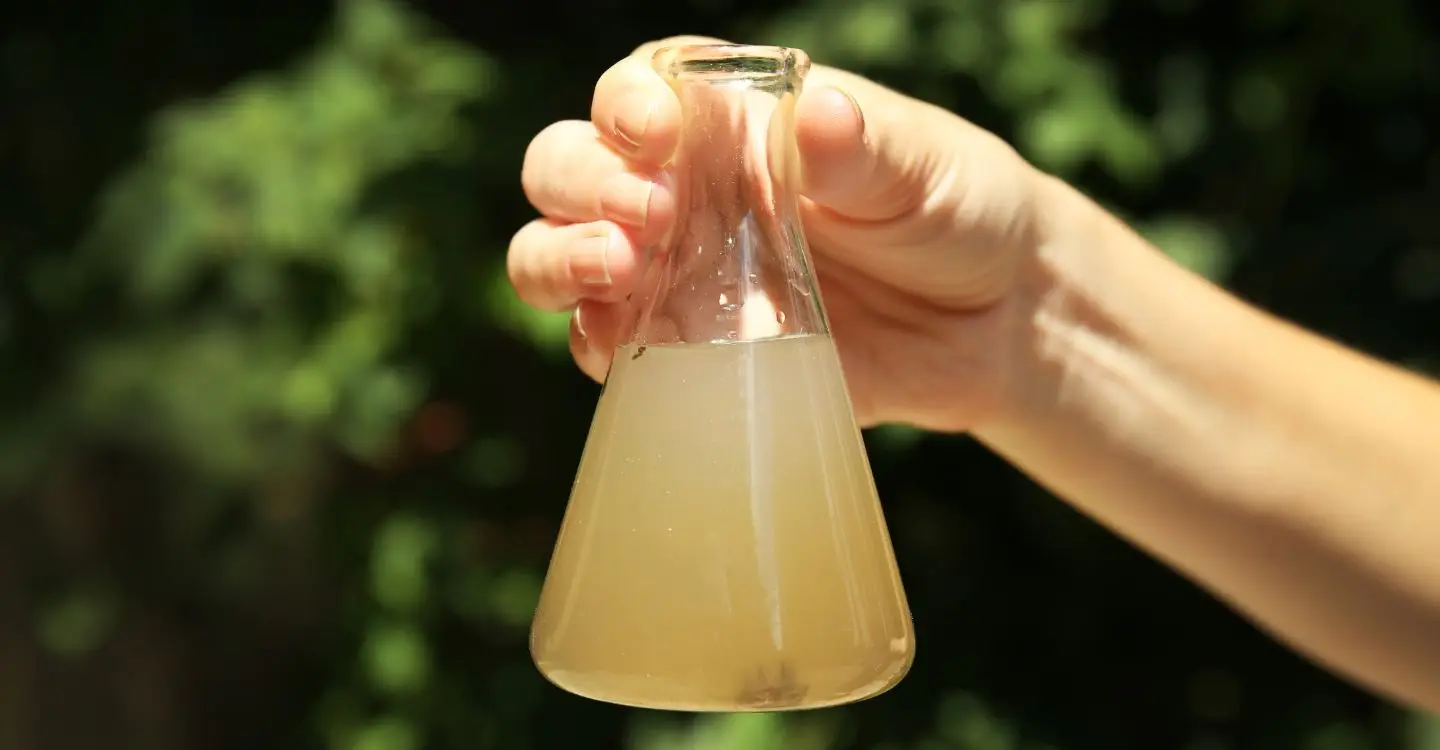
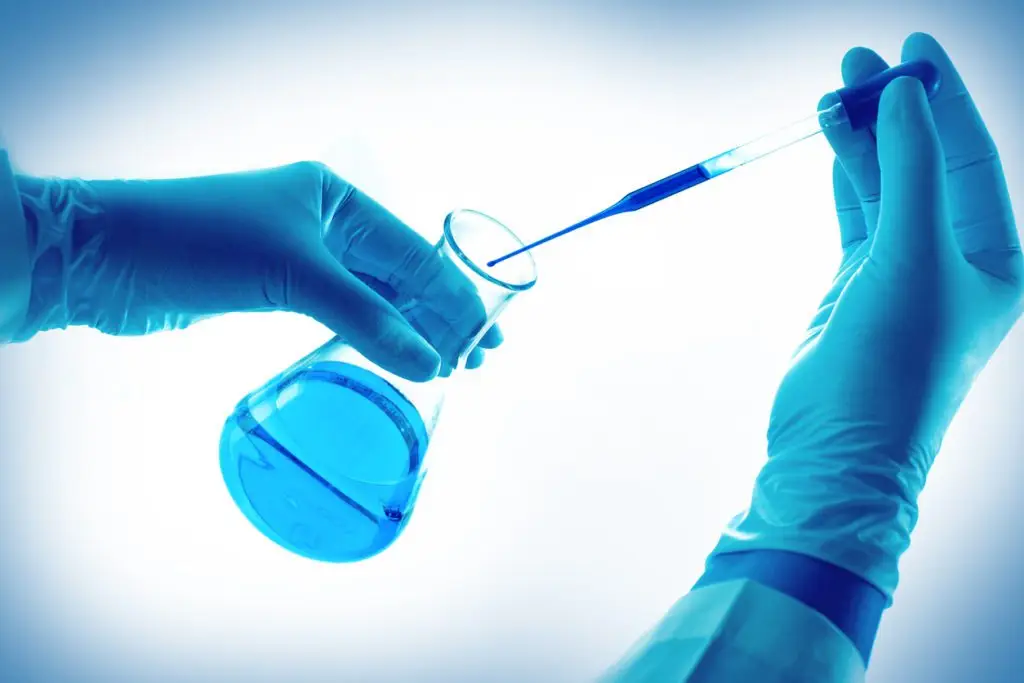
A professional water audit is far more than filling a cup at a sink. It is a systematic evaluation of the entire building’s water distribution network.
- Site Assessment: Technicians identify high-risk areas, including water entry points, storage tanks, and representative outlets on various floors.
- Sample Collection: Using sterile containers and specific protocols (such as “first-draw” vs. “flushed” sampling), technicians gather water from across the property.
- Laboratory Analysis: Samples are sent to certified laboratories to test for a spectrum of indicators: coliform bacteria, Legionella, lead, copper, nitrates, and chlorine residuals.
- Reporting and Recommendations: Building owners receive a detailed report. If contaminants are found, professionals provide a roadmap for remediation, which might include thermal eradication, hyperchlorination, or plumbing upgrades.
Local Expertise Matters
Midtown is not a monolith. The water quality challenges on locations near Grand Central might differ from those near the Garment District due to the age of the local street mains and the density of the buildings. Working with a team that understands the specific nuances of the Manhattan grid is invaluable. They are familiar with the common “problem spots” in local infrastructure and can provide faster turnaround times for critical samples.
Corporate Wellness and the “Return to Office”
In the post-pandemic era, the “Return to Office” movement has placed a spotlight on workplace wellness. Employees are more conscious than ever of their environment. Providing high-quality, tested drinking water is now a standard expectation for Tier A office space.
Buildings that prioritize transparency regarding their water quality often see higher tenant satisfaction. Posting the results of annual water tests or achieving certifications like the WELL Building Standard can be a significant competitive advantage in the Midtown real estate market. It signals to tenants that the management is proactive rather than reactive.
Common Misconceptions
Many building owners believe that because the city’s annual water quality report is excellent, their building’s water is automatically safe. This ignores the “last mile” of piping. Others believe that a simple color or smell test is sufficient. However, the most dangerous contaminants like lead and Legionella are often tasteless, odorless, and colorless.
For more information on these complexities, many managers consult a FAQ to understand the frequency of testing required for their specific building class.
Conclusion: A Proactive Approach to Midtown Water Safety
Midtown Manhattan is a testament to human engineering, but these massive structures require constant vigilance. Professional water testing is an investment in the longevity of the building’s infrastructure and the health of everyone who walks through its lobby.
By partnering with experts who understand the unique demands of New York City’s commercial landscape, facility managers can mitigate risk, ensure compliance, and provide a safe environment for the city’s workforce. In a city that never sleeps, the peace of mind that comes from knowing your water is pure is worth its weight in gold.
If you are responsible for the operations of a commercial property in the heart of the city, don’t wait for a tenant complaint or a regulatory fine. Explore the blog for the latest updates on NYC water standards, or contact a specialist today to schedule a comprehensive water quality audit for your building. Ensuring the safety of your water is not just a logistical necessity it is a cornerstone of professional property management in the world’s most famous business district.