The Penn District is undergoing one of the most monumental urban transformations in modern history. What was once defined by commuter congestion and aging mid-century office blocks is rapidly evolving into a premier commercial hub. Driven by massive redevelopments around Pennsylvania Station, historic skyscrapers are being stripped to their bones, transit corridors are expanding, and older commercial spaces are being heavily retrofitted with state-of-the-art office amenities.
Yet, while these architectural face-lifts breathe new life into Midtown, they don’t happen in a vacuum. Beneath the newly polished lobbies and behind the freshly painted drywall lies a complex, decades-old subterranean infrastructure. When multiple properties within a concentrated area undergo simultaneous, high-pressure renovations, it creates a ripple effect throughout the local utility grid. Specifically, the localized construction surge in the Penn District is shedding light on a critical, often overlooked consequence of urban renewal: structural and systemic impacts on commercial water quality.
The Interconnected Nature of Midtown’s Water Infrastructure
To understand why a renovation project down the block can affect the water quality in your own building, it is essential to understand how Midtown Manhattan’s water distribution works. Water is delivered across New York City via a massive network of cast-iron, ductile iron, and steel mains, managed by the New York City Department of Environmental Protection (DEP).
When water enters a specific neighborhood like the Penn District, it is distributed through a grid system where properties share proximal water lines. Inside individual buildings, especially older high-rises, water distribution relies on complex internal plumbing arrays:
- Direct pressure lines supplying lower floors.
- Suction tanks and house pumps pushing water upward.
- Gravity-fed roof tanks storing water for upper-level occupants and fire suppression systems.
Because these systems are hydraulically linked to the municipal main lines, any sudden change in demand, pressure, or flow velocity at one property can create a localized chain reaction. In areas experiencing concentrated redevelopment, these disruptions happen frequently, exposing vulnerable commercial plumbing systems to unprecedented operational stress.
How Renovation Pressure Materializes into Water Quality Risks
Heavy construction and large-scale commercial build-outs require massive amounts of water for dust suppression, concrete mixing, and system flushing. They also frequently necessitate temporary water shut-offs and main tie-ins. These activities alter the physical dynamics of the local water grid in several distinct ways.
1. Hydraulic Shocks and Sediment Mobilization
When a neighboring property shuts off its main water valve for structural plumbing overhauls and then abruptly reopens it, a phenomenon known as a hydraulic shock (or water hammer) can travel through the shared main lines. This sudden surge in velocity strips away the protective mineral scaling and accumulated rust deposits that naturally form inside older iron and copper pipes over decades.
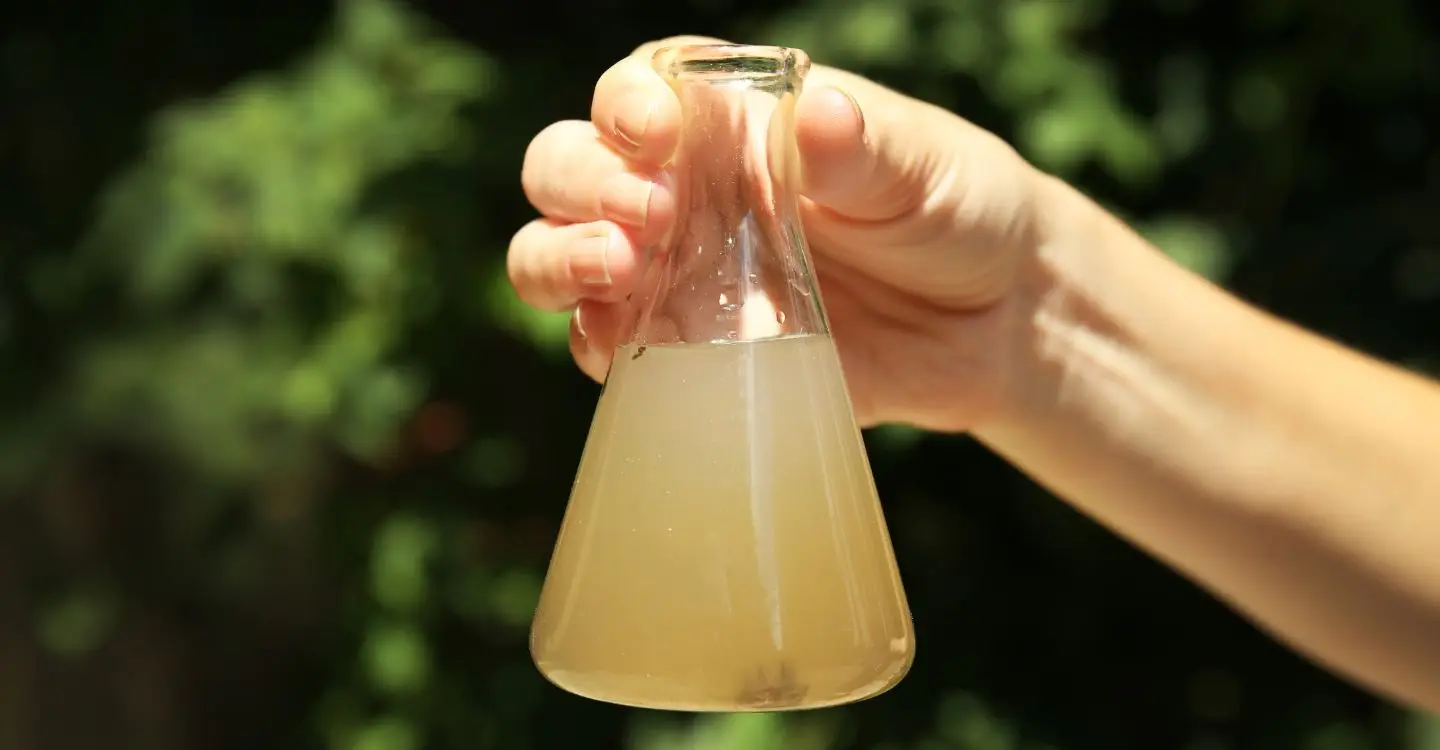
Once dislodged, this particulate matter travels downriver into adjacent properties. Commercial tenants may notice a sudden spike in turbidity—manifesting as brown, red, or cloudy water. Beyond aesthetics, this sediment can clog the delicate internal components of commercial HVAC cooling towers, premium water filtration systems, and facility boilers.
2. Biofilm Disruption and Microbiological Hazards
Inside any commercial plumbing network, a microscopic layer of bacteria and organic matter known as biofilm adheres to the inner pipe walls. Under normal, steady-state flow conditions, this biofilm remains stable and relatively benign.
However, the dramatic pressure fluctuations caused by nearby renovation pressure can shear these biofilms away from the pipe walls. When biofilm breaks free, it releases trapped bacteria directly into the water stream. In a dense environment like the Penn District, this raises concerns regarding opportunistic pathogens, particularly Legionella pneumophila, which thrives in stagnant or disrupted plumbing systems. For facility managers, understanding these water quality risks is the first step in protecting occupants from potential health liabilities.
3. Stagnation in Partially Occupied Properties
Renovations often mean parts of a building, or entire properties next door, sit vacant for months at a time while demolition and build-outs progress. During these periods, water usage drops to near zero in those specific zones.
Stagnant water loses its residual chlorine disinfectant over time, allowing bacteria to multiply exponentially. Additionally, stagnant water accelerates the leaching of heavy metals like lead and copper out of old brass fittings and soldered joints. Because municipal grids are interconnected, when these dormant lines are eventually flushed or pressurized, poor-quality stagnant water can inadvertently backflow or migrate into active surrounding building feeds.
The Domino Effect on Localized Commercial Properties
The physical reality of building in Manhattan means that what happens next door impacts your square footage. In a submarket where older buildings are competing directly with brand-new redevelopments, ensuring a pristine office environment is vital for tenant retention.
[Neighboring Heavy Renovation]
       │
       ├──► Temporary Main Shut-offs & Pressure Drops
       └──► Localized Hydraulic Shocks (Water Hammer)
               │
               ├──► Dislodging of Pipe Sediment & Rust (High Turbidity)
               └──► Shearing of Internal Biofilms (Bacterial Release)
                       │
                       └──► Contaminated Inflow to Adjacent Buildings
For asset managers overseeing Midtown buildings, localized construction pressure can manifest as an influx of tenant complaints regarding odd tastes, metallic odors, or discolored water. If unaddressed, these issues can damage high-end office infrastructure, from commercial ice machines and executive kitchenettes to industrial cafeteria equipment, ultimately costing thousands of dollars in premature filter burnouts and hardware replacements.
Proactive Strategies for Facility Managers in High-Construction Zones
As the Penn District continues its upward trajectory, commercial property owners cannot control municipal infrastructure or their neighbors’ construction schedules. However, they can take definitive steps to fortify their own systems against external renovation pressures.
Comprehensive Baseline Testing
You cannot prove a neighboring construction project altered your water quality unless you know what your water looked like before the drilling started. Establishing an analytical baseline through professional commercial testing services provides the scientific data required to verify your facility’s baseline health. Regular monitoring ensures that any sudden spike in heavy metals, bacteria, or sediment is caught before it spreads through your building’s vertical risers.
Enhanced Flushing Programs
If a neighboring property is undergoing a massive plumbing overhaul, your engineering team should implement a structured, building-wide water flushing routine. Target dead legs—sections of the plumbing infrastructure that see low usage—and clear out stagnating lines weekly to maintain an active, protective chlorine residual throughout the property.
Rigorous Backflow Prevention Maintenance
Ensure that all backflow preventer assemblies are certified, fully operational, and regularly inspected according to New York State Department of Health (DOH) guidelines. Robust backflow prevention acts as your building’s primary defense system, preventing contaminated or stagnant water from neighboring construction loops from siphoning backward into your clean potable supply during sudden street-level pressure drops.
Dynamic Filtration Strategy
Standard sediment filters may quickly become overwhelmed by the high-volume particulate matter kicked up during neighborhood grid disruptions. Upgrading to multi-stage filtration systems featuring sub-micron sediment pre-filters and granular activated carbon blocks at the main point of entry (POE) can shield sensitive downstream building systems from unexpected turbidity surges.
Protecting the Integrity of the Penn District Workplace
The modernization of the Penn District is a net positive for New York City’s economic future, paving the way for world-class workspaces and enhanced transit infrastructure. Yet, managing the hidden operational side effects of this rapid expansion is the hallmark of sophisticated property management.
By recognizing that water infrastructure is a shared, dynamic environment, commercial stakeholders can pivot from reactive troubleshooting to proactive facility defense. Implementing a rigorous water quality testing schedule, optimizing internal filtration, and tracking local construction milestones ensure that your building remains a safe, premium, and healthy environment for tenants—no matter how much pressure is being applied right outside your front door.
If you suspect nearby construction is altering your building’s water characteristics, explore our specialized commercial diagnostics or reach out to our team via our contact page to schedule a professional on-site evaluation.