Introduction
Midtown Manhattan is one of the most concentrated commercial districts in the world, defined by high-rise office towers, corporate headquarters, mixed-use skyscrapers, and large-scale business operations. These buildings rely on complex infrastructure systems to support daily activities, and among the most critical of these is the water supply.
While New York City provides high-quality drinking water from protected reservoir systems, the conditions within commercial buildings ultimately determine what employees, tenants, and visitors experience at the point of use. In large office towers, water travels through intricate plumbing networks that include booster pumps, risers, pressure zones, and recirculation systems. Each of these components plays a role in shaping water quality.
For property managers, facility teams, and building owners, maintaining consistent water quality is not only an operational requirement but also a matter of compliance, risk management, and tenant satisfaction. Professional water testing services provide the data needed to evaluate system performance, identify potential issues, and ensure that water meets both internal standards and regulatory expectations.
This article explores the importance of water testing in Midtown Manhattan office buildings, the factors that influence water quality in commercial systems, and how certified laboratory analysis supports effective building management.
How Water Systems Operate in Midtown Office Towers
Water distribution in Midtown office buildings is significantly more complex than in residential properties. These structures are designed to deliver water across multiple floors, often exceeding 30 or 50 stories, while maintaining consistent pressure and flow.
Water enters the building from the municipal supply and is directed into a system of booster pumps that move it vertically through the structure. Pressure zones divide the building into sections, ensuring that water is delivered efficiently without excessive force at lower levels. Vertical risers carry water to different floors, where it is distributed to restrooms, kitchens, and mechanical systems.
Recirculation systems are commonly used to maintain hot water availability throughout the building. These systems keep water moving continuously, reducing wait times and supporting operational efficiency. However, they also increase the complexity of the plumbing network and influence how water interacts with internal materials.
Because water passes through multiple stages within the building, its characteristics can change before reaching fixtures. Differences in pressure, temperature, and flow patterns all contribute to variation in water conditions across the property.
Understanding how these systems operate is essential for evaluating water quality and identifying areas where testing is required.
Why Internal Plumbing Systems Influence Water Quality
Although municipal water meets strict safety standards, the condition of internal plumbing systems plays a major role in determining water quality in Midtown office buildings. Large commercial systems include extensive networks of pipes, valves, storage tanks, and mechanical components, all of which interact with water over time.
Corrosion is one of the primary factors affecting water quality in these systems. As water moves through pipes, it interacts with internal surfaces, which can lead to gradual release of metals. This process is influenced by system conditions such as temperature, flow patterns, and material composition.
In buildings with mixed infrastructure, where sections of plumbing have been upgraded while others remain unchanged, variation in water conditions can be more pronounced. Differences between old and new materials can affect how water behaves as it moves through the system.
Stagnation is another important consideration. While high-demand areas maintain steady flow, less frequently used spaces may allow water to remain in pipes for extended periods. This can increase interaction with plumbing materials and influence overall water conditions.
Because these factors are specific to each building, water quality can vary significantly across Midtown office properties. Professional testing is required to understand these conditions and ensure consistent performance.
Common Water Quality Risks in Commercial Buildings
Midtown office buildings may encounter several common water quality risks, many of which are linked to internal plumbing systems.
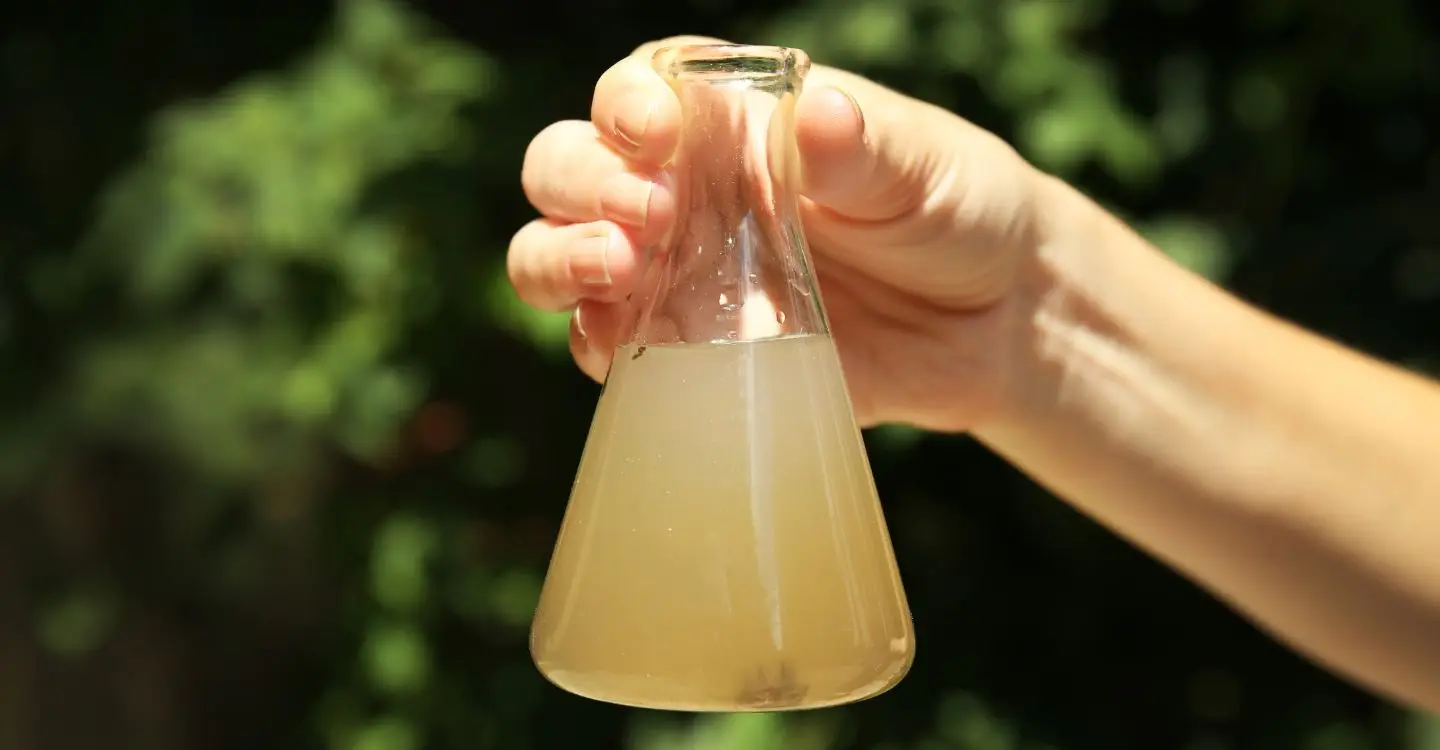
Brown water events are one of the most visible concerns. These occur when sediment or internal buildup is disturbed within pipes, often due to maintenance activities, pressure changes, or nearby construction. While these events are typically temporary, frequent occurrences may indicate underlying system issues.
Corrosion-related metal presence is another key risk. This is not usually visible but can be detected through laboratory testing. Variations in results between floors or zones often reflect differences in plumbing conditions.
Bacterial indicators are also a consideration in large systems. Although municipal water is disinfected, conditions within building infrastructure can influence microbial presence, particularly in areas with inconsistent flow or storage components.
These risks highlight the importance of ongoing monitoring and evaluation. Without professional testing, it is difficult to determine whether observed conditions are temporary or indicative of broader system concerns.
The Role of Certified Water Testing Services
Certified water testing services provide a structured and reliable approach to evaluating water quality in Midtown office buildings. Professional testing companies follow standardized procedures to ensure that samples are collected accurately and represent actual building conditions.
Sampling is typically conducted at multiple locations throughout the building, including restrooms, kitchens, and mechanical systems. This approach allows for comprehensive evaluation of water conditions across different areas and pressure zones.
Samples are analyzed in accredited laboratories using advanced instrumentation capable of detecting metals, microbial indicators, and emerging contaminants. Laboratory reports provide detailed data that helps building managers understand system performance.
Professional water quality consultants interpret these results and provide recommendations based on the specific conditions of the building. Their expertise ensures that findings are translated into actionable insights that support maintenance, compliance, and operational efficiency.
Compliance and Risk Management in Commercial Water Systems
Water quality in commercial buildings is closely tied to compliance and risk management. Office buildings, particularly those with large tenant populations, must ensure that water systems meet health and safety standards.
Regular testing supports compliance by providing documented evidence of system performance. This is especially important for buildings that include food service operations, healthcare facilities, or other regulated environments.
From a risk management perspective, testing helps identify potential issues before they escalate. Early detection of corrosion, sediment buildup, or microbial indicators allows building managers to take proactive measures, reducing the likelihood of operational disruptions or tenant concerns.
Professional water testing services play a key role in this process, providing accurate data and expert guidance that supports effective building management.
When Midtown Office Buildings Should Schedule Testing
There are several scenarios in which water testing is recommended for Midtown office buildings. Routine testing is essential for maintaining consistent system performance and ensuring compliance with operational standards.
Testing should also be conducted following plumbing repairs, renovations, or infrastructure upgrades. These activities can influence water conditions and may require evaluation to confirm that systems have stabilized.
Noticeable changes in water appearance, such as discoloration or sediment, are another indicator that testing may be needed. Even in the absence of visible issues, periodic evaluation provides valuable data that supports long-term system management.
For building managers, establishing a structured testing schedule ensures that water quality is monitored consistently and that any changes are identified promptly.
Conclusion
Water quality in Midtown Manhattan office buildings is shaped by a combination of municipal supply and internal plumbing infrastructure. While the city provides high-quality water, the complexity of commercial systems introduces variables that can influence conditions at the point of use.
From corrosion and sediment to system design and usage patterns, multiple factors contribute to variation in water quality across commercial properties. Understanding these factors is essential for maintaining consistent performance and ensuring compliance with operational standards.
Certified water testing services provide the data needed to evaluate these conditions accurately. By combining professional sampling with advanced laboratory analysis, building managers and property owners can ensure that water systems operate reliably and meet the expectations of tenants, employees, and visitors.
In a commercial environment as demanding as Midtown Manhattan, proactive water testing is not just a precaution—it is a critical component of effective building management.