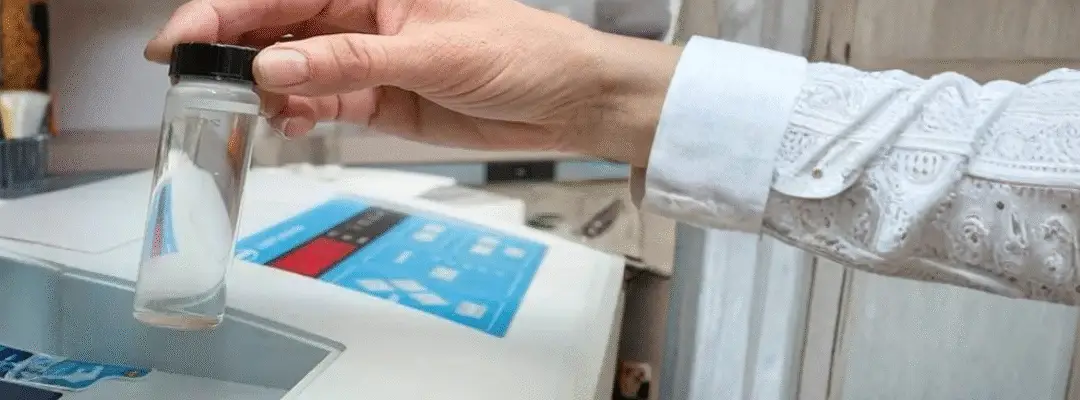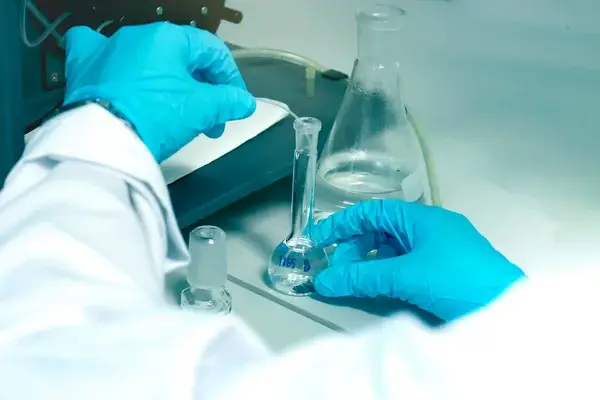
In the high-stakes environment of Midtown Manhattan real estate, “water quality” is often discussed in fragments. One week the focus is on lead in the breakroom; the next, it is the monthly Legionella mandate for the cooling tower. However, as of May 2026, savvy building owners are moving away from piecemeal testing in favor of comprehensive Potability Panels.
A potability panel is a diagnostic “broad-spectrum” analysis that evaluates the chemical, physical, and bacteriological health of a building’s water supply in a single, integrated report. For properties in the heart of NYC, these panels offer the critical intelligence needed to manage aging infrastructure and ensure tenant safety.
Beyond the Basics: What is in a Potability Panel?
While a basic test might only look for coliform bacteria, a professional potability panel provides a multi-layered view of the water flowing through Midtown buildings. This is essential because many contaminants are codependent; for example, the presence of certain minerals can affect how lead leaches from pipes.
1. Heavy Metal Screening
A core component of any panel is the analysis of heavy metals. This includes not just lead and copper, but also iron, manganese, and zinc. High iron levels, for instance, might not be a direct health hazard, but they can cause “pitting” in pipes and provide the nutrients that allow biofilm to grow, which in turn increases water quality risks.
2. Chemical and Physical Indicators
These indicators tell you the “aggressiveness” of your water.
- pH and Alkalinity: If water is too acidic, it strips the protective mineral lining from inside your pipes.
- Turbidity: High turbidity (cloudiness) can shield bacteria from disinfectants like chlorine.
- Chlorine Residuals: Measuring how much disinfectant is left by the time water reaches the 40th floor is vital for ensuring biological safety.
3. Bacteriological Profiles
Beyond the standard E. coli checks, modern panels for commercial testing services often include heterotrophic plate counts (HPC). This gives an overall “biomass” reading, acting as an early warning system for potential pathogen colonization.
The 2026 Regulatory Catalyst: Local Law 159
As of May 7, 2026, the regulatory pressure on Midtown owners has reached a new peak with the full enforcement of Local Law 159. While this law specifically targets cooling towers by mandating monthly Legionella sampling, it has sparked a broader conversation about building-wide water safety.
Under the new law, the NYC Department of Health (DOHMH) has doubled fines for record-keeping failures. A comprehensive potability panel serves as a vital part of a building’s Maintenance Program and Plan (MPP). By having a complete chemical and biological profile of the potable water, managers can prove they are taking “all reasonable steps” to protect the building, creating a robust defense against liability in a dense urban locations environment.
The ROI of “Deep” Intelligence
Why invest in a full panel when a simple test is cheaper? For a Midtown landlord, the return on investment comes in three forms:
- Targeted Remediation: Instead of replacing an entire riser system, a panel might show that lead levels are only high at specific “dead legs” or end-of-line fixtures, saving hundreds of thousands in capital costs.
- Tenant Trust: In a 2026 office market where “Wellness” is a top-tier amenity, providing tenants with a certified potability report is a major competitive advantage.
- Asset Longevity: Understanding the corrosive potential of your water allows you to adjust your treatment systems, adding years to the life of expensive boilers and chillers.
Conclusion
A single-parameter test is like looking at a building through a keyhole. A professional potability panel opens the door, providing the context and clarity needed to manage a Midtown icon.
Whether you are overseeing a historic tower near Grand Central or a new development in Hudson Yards, comprehensive water quality data is your most valuable asset. To learn more about what your building should be testing for, explore our blog for the latest 2026 health updates, or check our FAQ for advice on sampling schedules. To schedule a full potability audit for your property, contact our specialists today. In the world’s most famous business district, a broader picture leads to better protection.